Our Vision
Who We Are
About Mwanga Africa Initiative
A registered Public Benefit Organization working with communities across Kenya to build lasting opportunities through education, livelihoods, health, digital inclusion, and environmental action.
Who We Are
Lighting the way toward stronger, more resilient communities.
Mwanga Africa Initiative (MAI) is a registered Public Benefit Organization in Kenya established to improve the quality of life and socio-economic wellbeing of vulnerable and marginalized communities.
MAI works through education and skills development, sustainable livelihoods, community empowerment, health promotion, humanitarian support, digital inclusion, and environmental conservation.
We believe lasting development begins with communities themselves. Our approach brings communities and partners together to identify challenges, develop practical solutions, strengthen local capacity, and create opportunities that can be sustained over time.
Registered as a Public Benefit Organization in Kenya 20 August 2026
Our Mission
To improve the quality of life and socio-economic wellbeing of vulnerable and marginalized communities in Kenya.
We pursue this mission through education, sustainable livelihoods, community empowerment, health promotion, and environmental conservation.
What We Do
Creating opportunities where they are needed most.
The challenges facing communities are interconnected. Education, digital access, health, food security, and environmental sustainability all influence one another. MAI therefore takes an integrated approach to community development.
Education & Skills
Expanding access to education, learning materials, scholarships, mentorship, career guidance, and practical skills development.
Gender & Social Inclusion
Advancing gender equality, youth participation, and dignity for women, girls, and marginalized groups across every program.
Humanitarian Support
Providing relief and assistance to vulnerable communities affected by emergencies, disasters, and socio-economic hardship.
Environment & Climate
Supporting tree planting, conservation, climate action, sustainable resource management, clean energy, and community resilience.
Who We Serve
Reaching communities facing the greatest barriers to opportunity.
MAI primarily serves identifiable sections of the public, particularly children and learners, youth, women and girls, smallholder farmers, persons with disabilities, low-income households, and vulnerable and marginalized communities.
We prioritize communities experiencing poverty, limited access to education and digital opportunities, livelihood challenges, humanitarian needs, and environmental or climate vulnerability.
Children & learners
Youth
Women & girls
Smallholder farmers
Persons with disabilities
Low-income households
Vulnerable communities
How We Work
Development driven by participation and local ownership.
We work alongside communities rather than simply working for them. This helps ensure that interventions respond to real needs and that communities have the capacity to sustain their benefits.
Community Participation
Communities are involved in identifying challenges, developing solutions, implementing activities, and sustaining results.
Partnerships
We collaborate with the general community, schools, government institutions, community-based organizations (CBOs), development partners, donors, private organizations, and other stakeholders.
Capacity Building
We strengthen knowledge, skills, leadership, and local systems so that individuals and communities can become more self-reliant.
Innovation
We embrace technology, entrepreneurship, research, and locally appropriate solutions to address emerging community challenges.
Where We Work
A Kenya-wide commitment to community development.
Mwanga Africa Initiative has a national scope of operation and may implement programs in different counties across Kenya. Our work is guided by community needs, levels of vulnerability, available resources, and strategic partnerships.
Rather than applying a one-size-fits-all model, MAI works with local communities and partners to understand their circumstances, design context-specific interventions, and strengthen local capacity.
As resources, partnerships, and implementation capacity grow, the Organization will progressively expand its programs to additional counties while maintaining accountability, participation, and equitable access.
Our Leadership
Guided by integrity, accountability, and community commitment.
Our leadership team provides strategic direction and supports the organization's commitment to inclusive, sustainable, and community-driven development.
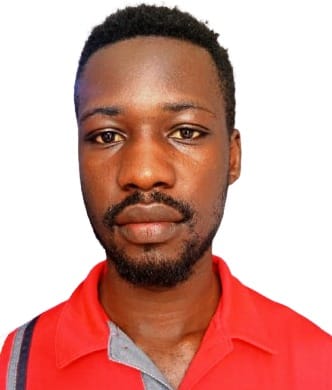
Oriko Brian
Chairperson & Founding Leader
Provides strategic leadership and helps guide MAI's commitment to community development and sustainable impact.
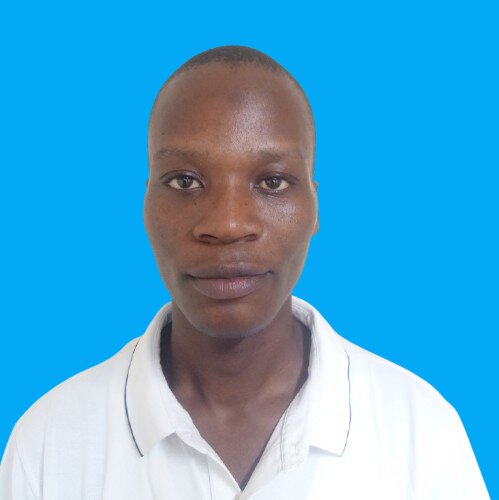
Opil Wilson
Community Mobiliser
Supports organizational coordination, governance, and effective communication across the organization.
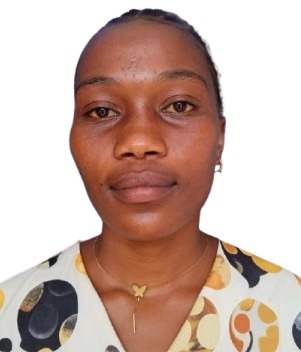
Faith Mwende
Treasurer
Supports responsible financial management, accountability, and stewardship of organizational resources.
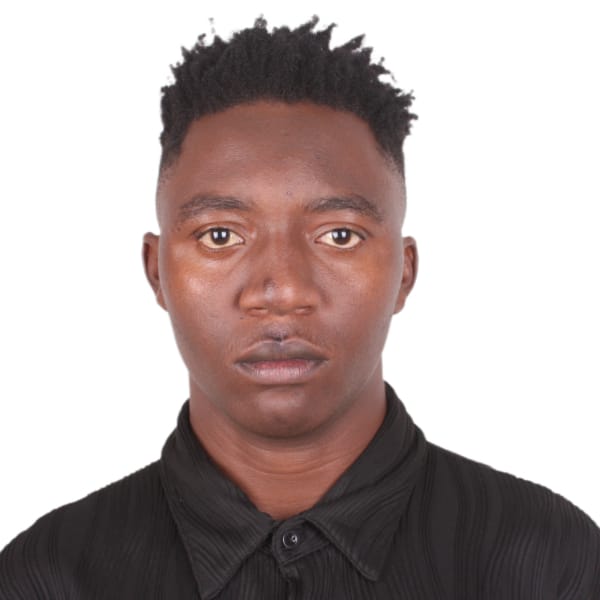
Jeff Ouru
Assisting Member
Contributes to strategic leadership and supports MAI's public-benefit objectives and community-focused programs.
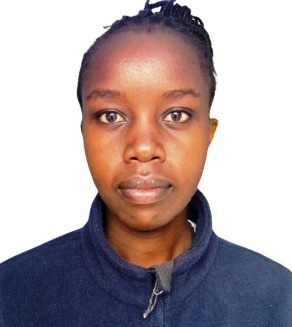
Faith Kiptoo
Assisting Member
Supports inclusive community development and contributes to the organization's strategic direction.
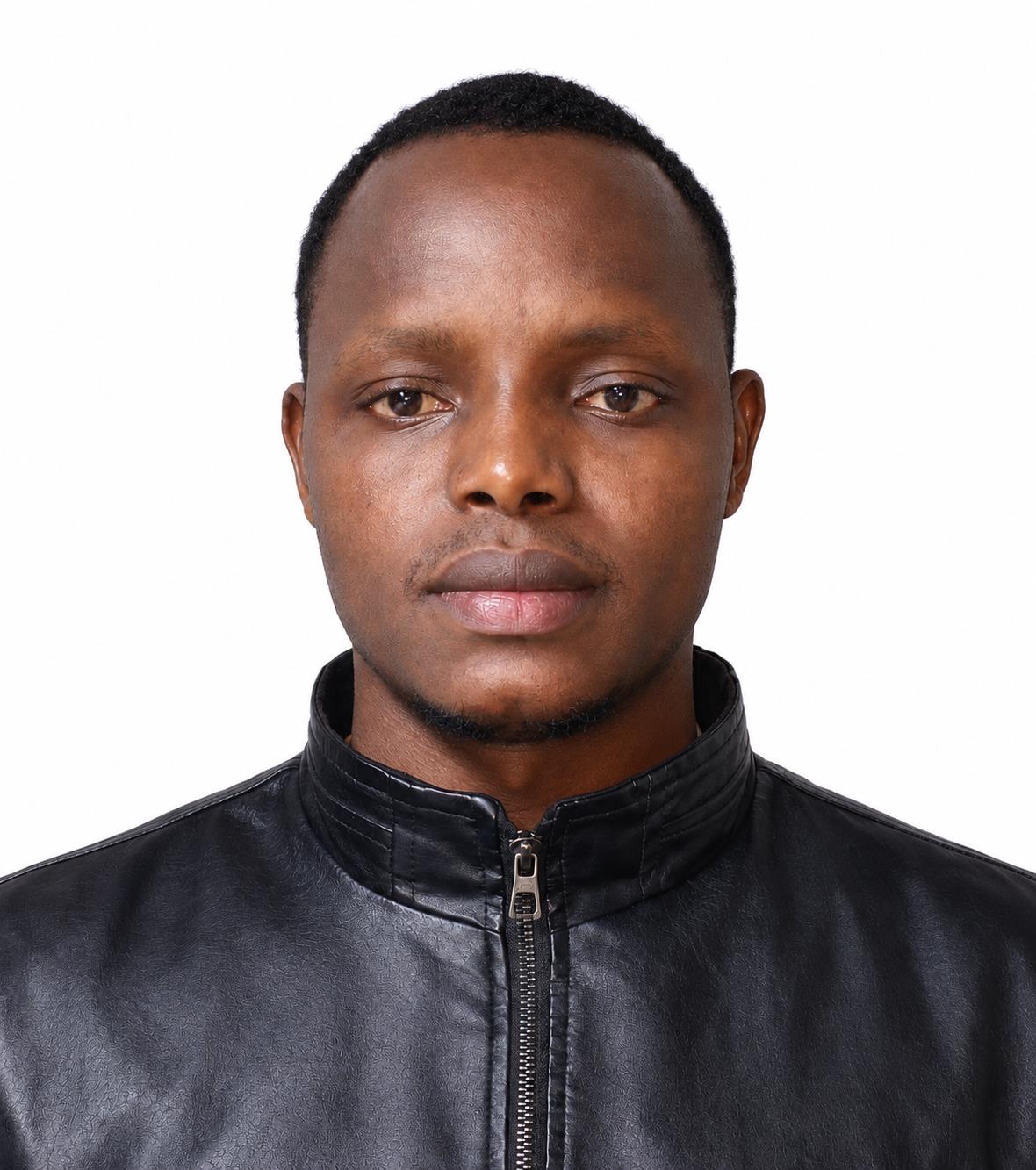
Denis Bett
Assisting Member
Supports communication, public engagement, and the sharing of MAI's programs, activities, and community impact.
Our Story
The Story Behind Mwanga Africa Initiative
A Journey of Hope, Resilience, and Community Transformation
The Beginning
I grew up in a community where poverty was part of everyday life. Many families struggled to meet basic needs, while access to education, technology, sustainable livelihoods, and other opportunities remained limited.
I was one of the children raised in a poor family, and I experienced these challenges firsthand.
Growing Up Together
I studied at Bala Mercy Children Center, where I grew up and learned alongside other children from my community.
Together, we witnessed the struggles around us families facing poverty, children struggling to access education, young people with limited opportunities, and communities that had not benefited from key development opportunities.
These experiences deeply shaped the way I saw the world.
The Vision
As I grew older, I realized that I could not simply forget where I came from. I wanted to contribute to creating opportunities for the same communities and people who had experienced the struggles I knew.
I began to believe that education, empowerment, technology, sustainable livelihoods, and community support could help people build better futures.
The Dream
That dream became Mwanga Africa Initiative (MAI).
"Mwanga" means light in Swahili. I chose this name because I believe every community deserves a light of hope and an opportunity to thrive.
MAI was founded to work with vulnerable and marginalized communities through education, youth and women empowerment, sustainable livelihoods, ICT, humanitarian support, and environmental conservation.
The Journey Ahead
As the founder, Oriko Brian, I carry the experiences of my childhood and community with me.
Mwanga Africa Initiative is my commitment to giving back to the community that shaped me and to walking alongside others toward a better future.
"Mwanga Africa Initiative is more than an organization; it is a reflection of where I come from and my belief that every community has the potential to thrive when given hope, opportunity, and the right support."
— Oriko Brian, Founder
Work With Us
Together, we can empower communities and transform lives.
MAI welcomes collaboration with organizations, institutions, donors, development partners, and individuals who share our vision of an empowered, resilient, and sustainable African society.